Unit 301 No. 6 Xianghong Road,Torch Hi-Tech Zone Industrial Park,Xiang'an District, Xiamen P.R.China
+86-13365922007
[email protected]



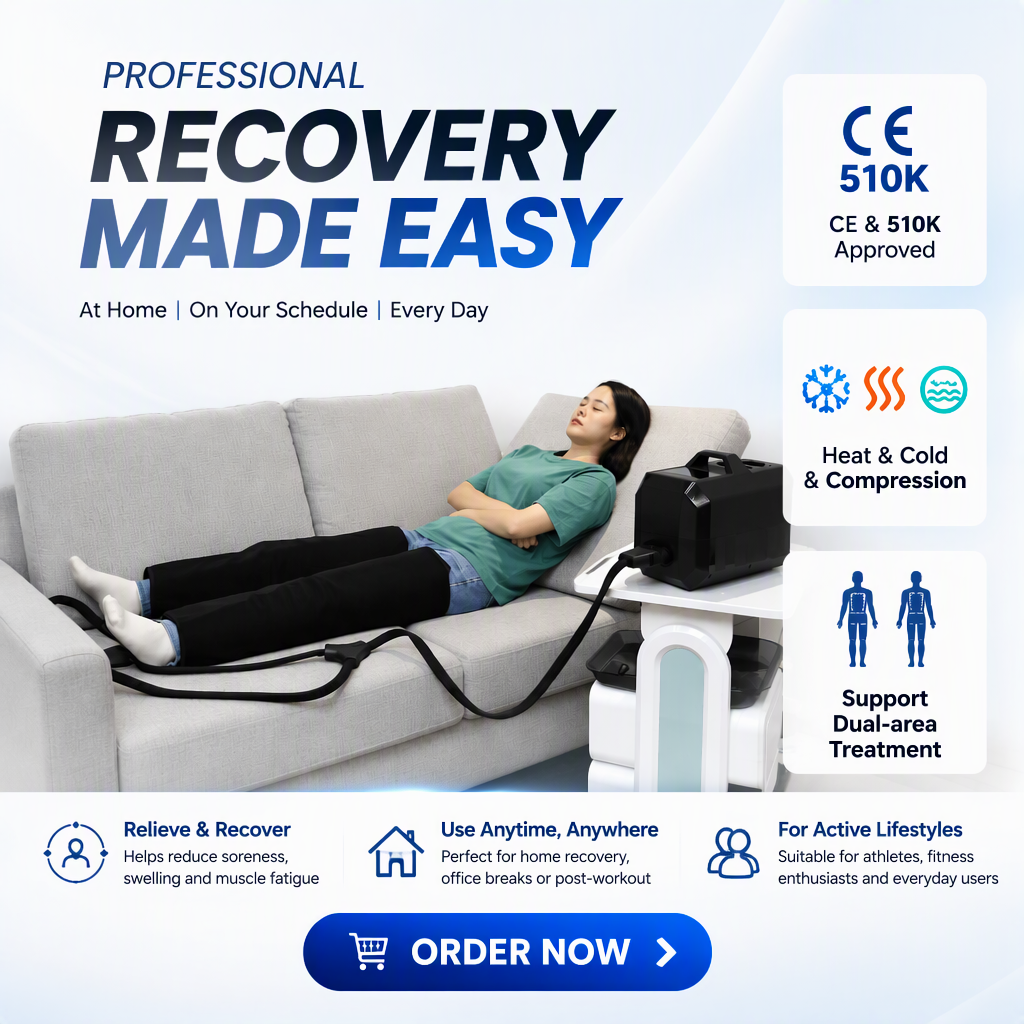
In the global medical equipment supply chain, thermal recovery technology has evolved drastically. Gone are the days when physical therapy wards and athletic training rooms relied on messy ice bags and microwaveable gel packs. Today, the standard for managing post-operative inflammation and acute sports injuries is automated, fluid-circulating thermal regulation.
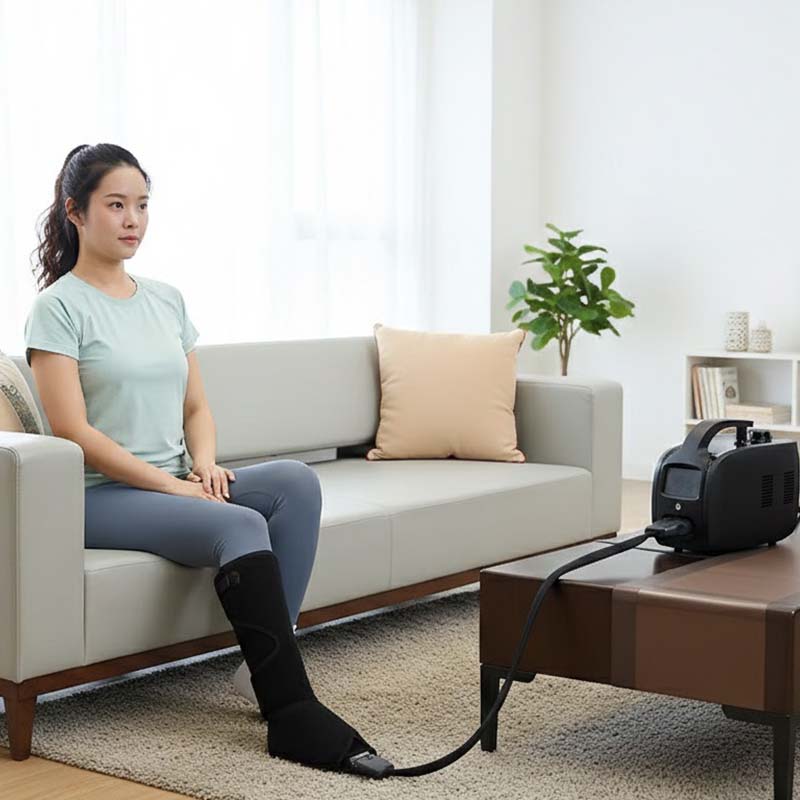
At the center of this shift is the hot cold therapy unit. As a manufacturer engineering advanced medical care equipment since 2010, we have seen this product category explode in demand. However, the market is now flooded with varying tiers of quality, from cheap consumer gadgets to robust clinical machines.
For B2B buyers, making the wrong procurement choice leads to product breakdowns, clinic downtime, and lost revenue. Because different end-users have very different operational needs, there is no "one-size-fits-all" answer. Whether you are a clinic director, a sports franchise buyer, or a medical distributor, this guide will show you exactly how to source the right hot cold therapy unit for your specific market.
When hospital procurement teams or physical therapy clinics evaluate a hot cold therapy unit, their primary concerns are patient safety, infection control, and clinical precision. These facilities are often treating highly vulnerable patients who are recovering from invasive orthopedic surgeries, such as total knee replacements or rotator cuff repairs.
In a clinical setting, a hot cold therapy unit must feature precise digital thermostats. If the water gets too hot, it can damage healing skin; if it gets too cold, it can cause localized frostbite on a numbed, post-op limb.
What to look for:
Athletic trainers and sports recovery centers operate in a high-volume, fast-paced environment. In a professional locker room, a single hot cold therapy unit might be used back-to-back by 15 different athletes in a single afternoon.
For sports buyers, the primary focus is durability and ergonomic fit. Athletes come in all sizes, and the therapy must be delivered efficiently to highly specific muscle groups.
What to look for:
For medical equipment distributors, the calculation is entirely different. You are buying a hot cold therapy unit in bulk to either resell to local clinics or rent directly to patients for post-operative home care. Your primary concerns are shipping logistics, profit margins, and minimizing warranty returns.
In recent years, the home-rental market has heavily favored the iceless cold therapy unit. Traditional units require the patient to constantly refill the reservoir with pounds of ice, which is difficult for a patient recovering from surgery. An iceless cold therapy unit uses advanced thermoelectric cooling (Peltier technology) to chill the water electronically, requiring zero ice.
What to look for:
To protect your business from sub-standard products, use this quick-reference matrix when vetting a manufacturer's hot cold therapy unit:
Sourcing Metric |
Consumer Retail Grade |
Clinical B2B Standard |
Impact on Your Business |
Cooling Technology |
Standard ice bucket |
Advanced thermoelectric (iceless) or high-insulation |
Reduces daily maintenance and user frustration. |
Pump Mechanism |
Weak, noisy impeller |
Whisper-quiet, brushless continuous motor |
Lowers warranty return rates; ensures clinic peace and quiet. |
Hose Connections |
Cheap plastic clips |
Dripless, medical-grade quick-connect valves |
Prevents water leaks onto clinic floors or patient beds. |
Temperature Control |
None (relies on melting ice) |
Digital LED thermostat with safety lockouts |
Eliminates liability for thermal skin injuries. |
Sourcing a hot cold therapy unit should never be a race to the bottom on price. Whether you are aiming to accelerate an athlete's return to the field, safely manage a patient's post-op pain, or build a highly profitable rental fleet, the hardware must be deeply reliable.
By understanding the distinct needs of hospitals, sports centers, and supply chains, B2B buyers can make targeted, intelligent purchasing decisions. Partnering with an experienced manufacturer guarantees that the hot cold therapy unit you integrate into your catalog is engineered to withstand professional demands, ultimately protecting your brand's reputation and driving long-term revenue growth.
 EN