Unit 301 No. 6 Xianghong Road,Torch Hi-Tech Zone Industrial Park,Xiang'an District, Xiamen P.R.China
+86-13365922007
[email protected]


In the landscape of clinical rehabilitation, recovering lower-body mobility is often about strength and weight-bearing. Hand recovery, however, is an entirely different clinical challenge. The human hand is an intricate web of tendons, tiny joints, and dense neurological pathways. When a patient suffers a stroke, traumatic brain injury, or severe nerve damage, rebuilding the brain-to-hand connection requires thousands of precise, repetitive movements.
Historically, this required exhausting, one-on-one manual manipulation by an occupational therapist. Today, intelligent technology has bridged that gap. As a manufacturer producing advanced medical care equipment since 2010, VU has seen B2B procurement trends shift aggressively toward automated neuro-rehabilitation tools. At the forefront of this shift is the finger recovery robot machine.
For medical distributors, hospital procurement teams, and clinic directors, stocking a clinical-grade finger recovery robot machine is no longer a futuristic luxury—it is a baseline necessity for supporting effective hand therapy. Here is a definitive guide on how these devices function, what buyers should look for, and how they transform patient outcomes.
To understand the commercial value of a finger recovery robot machine, distributors must first understand the clinical bottleneck it solves.
Neuroplasticity—the brain’s ability to rewire itself after trauma—requires massive repetition. A stroke survivor may need to open and close their hand 400 times a day to stimulate nerve regeneration. An occupational therapist simply cannot sit with one patient for three hours a day performing manual finger extensions. This leads to patient fatigue, therapist burnout, and subpar recovery outcomes, often resulting in permanent muscle contractures (claw hand).
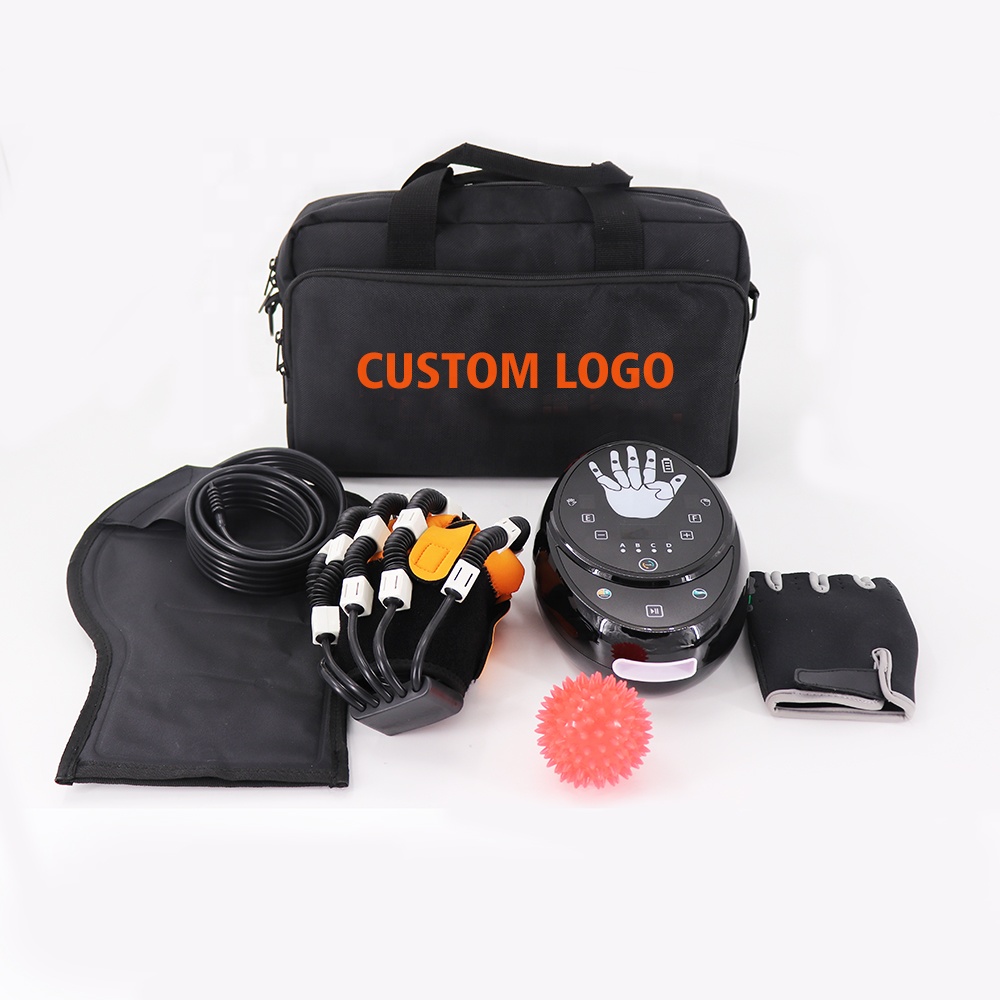
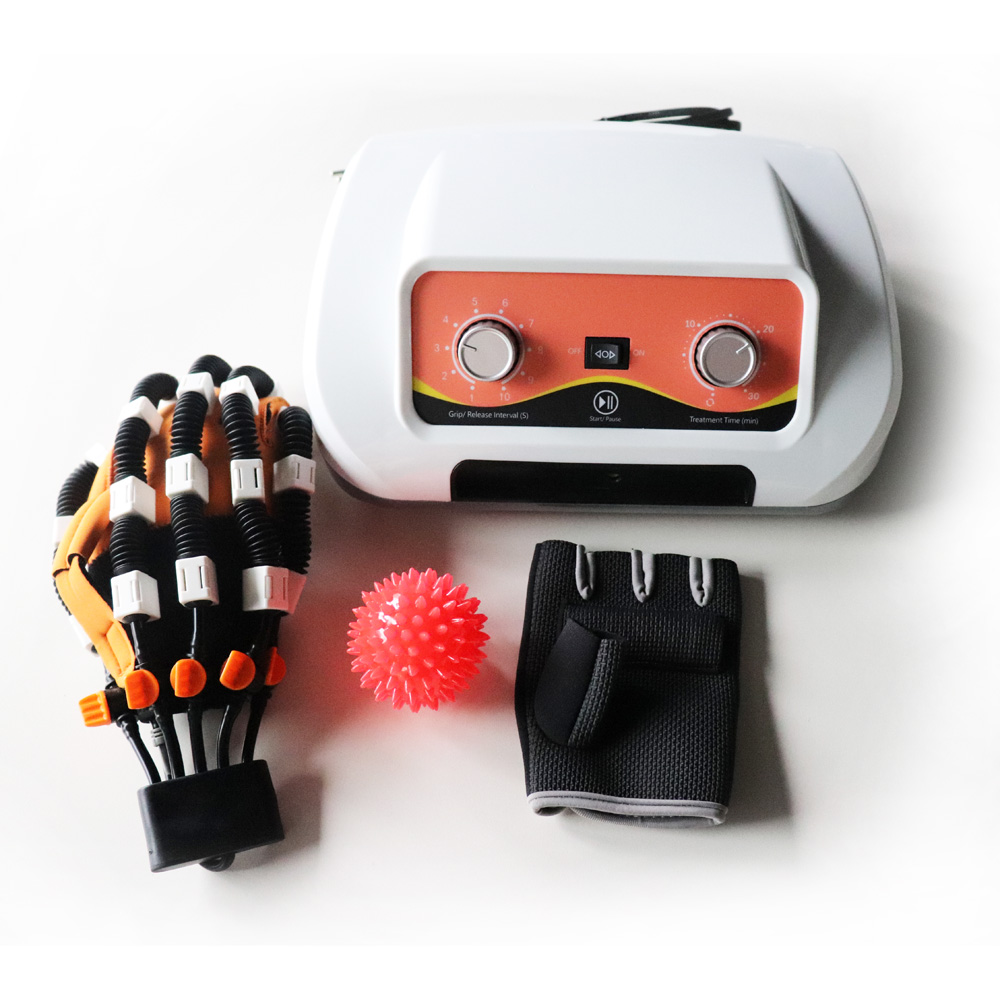
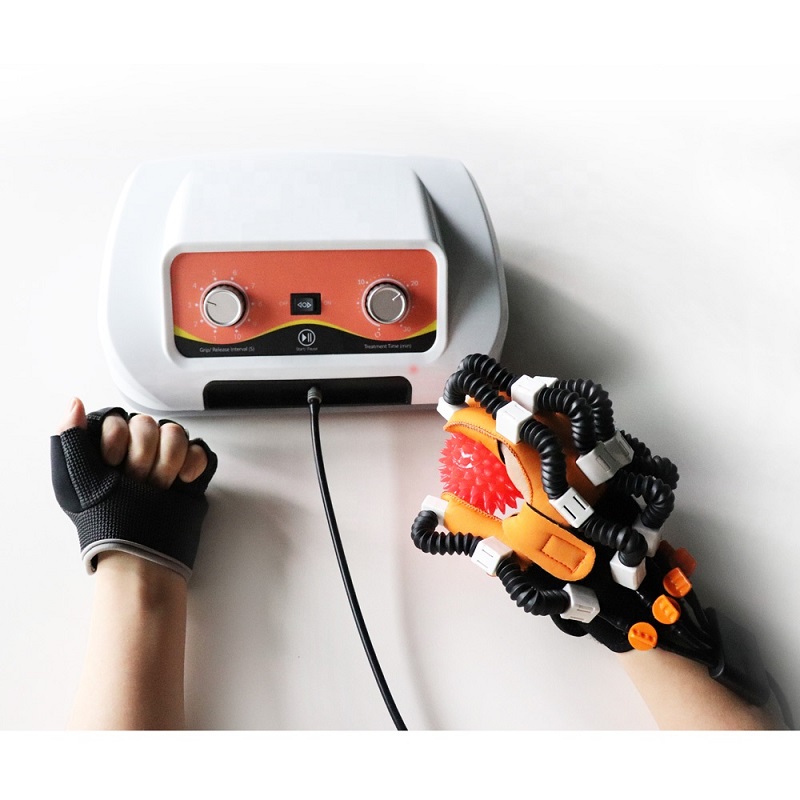
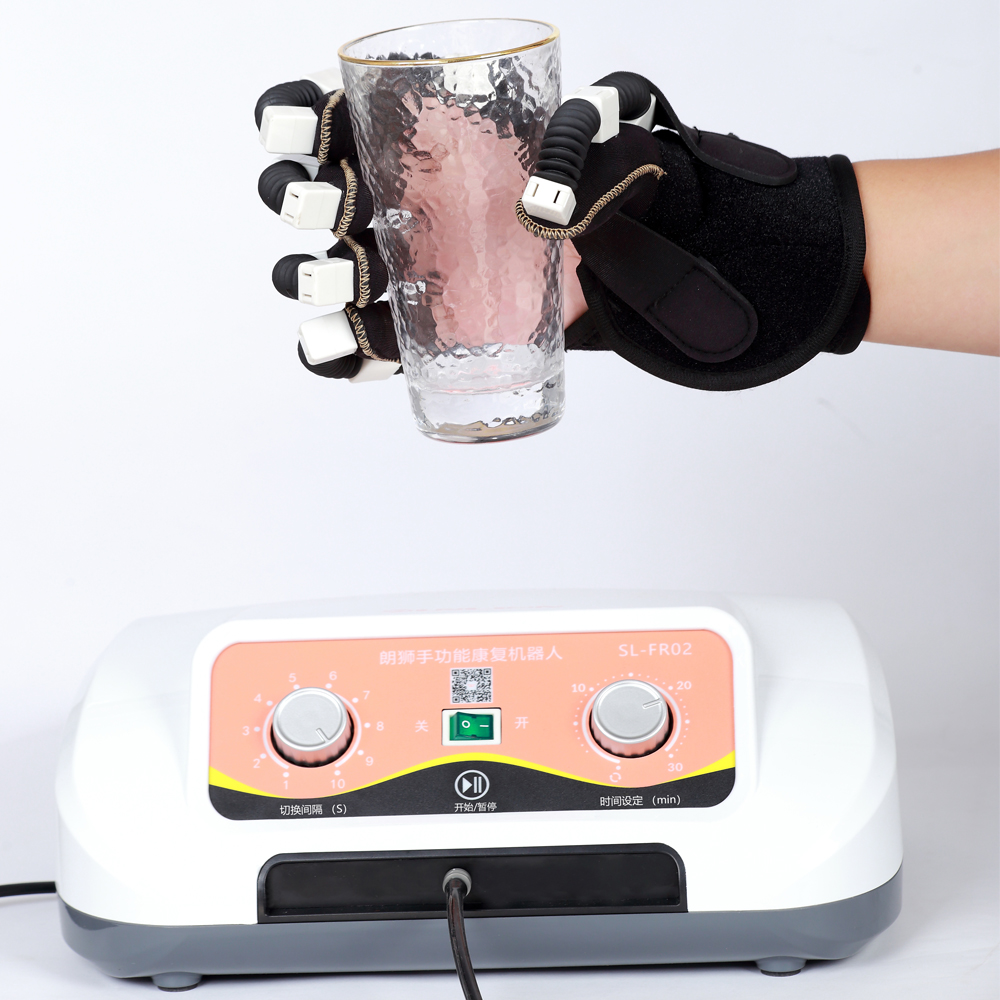
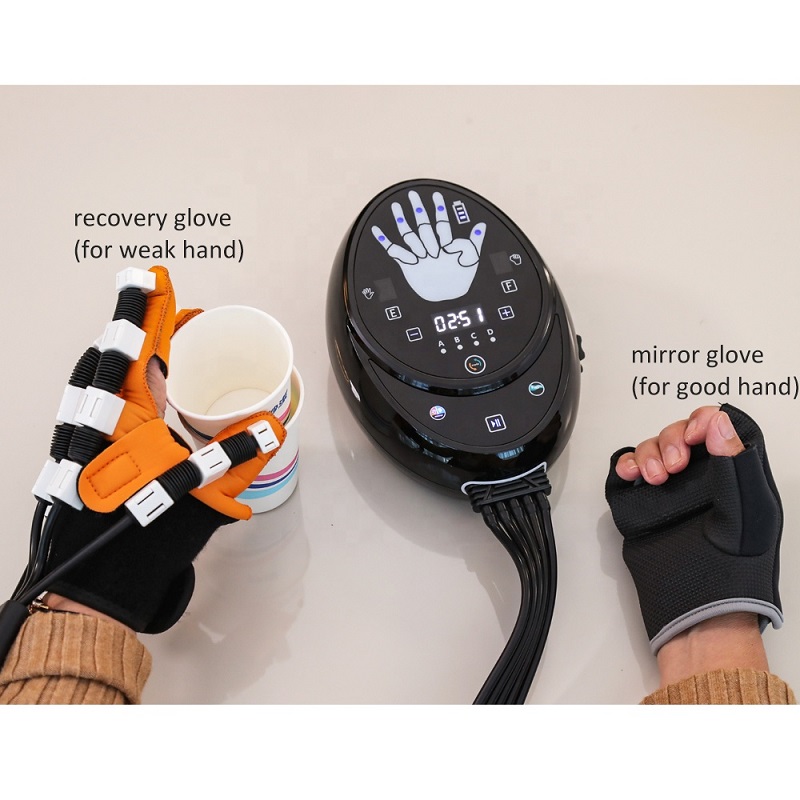
A sophisticated finger recovery robot machine acts as a force multiplier for the therapist. It straps onto the patient's hand and physically drives the fingers through precise flexion and extension arcs. This allows the patient to achieve the high-volume repetition necessary for neuroplasticity while the therapist oversees multiple patients simultaneously.
When evaluating a hand finger rehabilitation robot for your B2B catalog, you must distinguish between basic static splints and true robotic trainers. A premium finger recovery robot machine supports hand therapy by offering multiple, software-driven training modes that adapt to the patient's recovery stage.
As a B2B distributor, your reputation depends on the safety and durability of the products you sell. When sourcing a finger recovery robot machine, you will encounter two primary engineering designs.
Traditionally, early models utilized rigid metal motors. While an electric hand rehabilitation robot gloves system can offer strong, precise force, rigid mechanics pose a safety risk if the patient experiences sudden muscle spasticity (involuntary spasms). The rigid motors can potentially fight against the patient's spasm, causing joint pain.
Modern clinical standards favor soft robotics. A state-of-the-art finger recovery robot machine typically utilizes biomimetic pneumatic air tubes embedded in flexible polymer gloves. Driven by a quiet tabletop air compressor, these pneumatic tubes mimic artificial muscles. If a patient experiences a spasm, the flexible air tubes safely absorb the resistance rather than forcing the joint. For hospitals treating stroke patients, this soft-robotic hemiplegia finger rehabilitation trainer robot gloves system is the undisputed gold standard for patient safety.
To illustrate the ROI of this equipment, consider a recent partnership with a regional neuro-rehabilitation hospital network in Southeast Asia.
The network was struggling with a six-week waiting list for occupational hand therapy. We supplied them with a fleet of our commercial-grade robot gloves for hand training. The clinical directors implemented a new "Robotic Ward" protocol. Instead of 1-on-1 manual therapy, a single therapist managed four patients simultaneously. Each patient was equipped with a finger recovery robot machine programmed to their specific flexion angles.
The data over six months was staggering. The hospital increased daily patient throughput by 42%. More importantly, because patients were achieving triple the number of daily repetitions via the finger recovery robot machine, the average discharge time for post-stroke hand mobility was reduced by 14 days. The equipment paid for itself in less than two months.
To protect your catalog from sub-standard consumer gadgets that break under clinical use, use this quick-reference matrix when discussing a finger recovery robot machine with any manufacturer:
Evaluation Metric |
Consumer/Home Grade |
Clinical B2B Standard |
Impact on Patient & Clinic |
Actuation Method |
Cheap rigid plastics |
Biomimetic pneumatic tubes |
Absorbs spasticity safely; prevents joint injury. |
Training Modes |
Passive flexion only |
Passive, Active, and Mirror |
Guides the patient through all stages of neuro-recovery. |
Finger Isolation |
Moves all fingers at once |
Individual finger valves |
Allows task-specific training like pinching or pointing. |
Glove Material |
Non-washable fabric |
Medical-grade, breathable polymer |
Ensures cross-contamination safety in busy hospitals. |
The transition from manual manipulation to robotic assistance is the most significant leap in occupational therapy in the last decade. Hand recovery requires patience, precision, and relentless repetition—qualities that perfectly align with smart technology.
By sourcing a clinically validated finger recovery robot machine, B2B distributors provide hospitals and rehab centers with a tool that dramatically reduces therapist fatigue while accelerating patient independence. Partnering with a seasoned manufacturer ensures you are distributing a device that blends software intelligence with soft-robotic safety, cementing your position as a trusted supplier in the neuro-rehabilitation market.
 EN