Unit 301 No. 6 Xianghong Road,Torch Hi-Tech Zone Industrial Park,Xiang'an District, Xiamen P.R.China
+86-13365922007
[email protected]



In the clinical world of neurological recovery, there is a well-known phenomenon: proximal to distal recovery. After a stroke or brain injury, a patient will typically regain control of their shoulder and elbow long before their fingers. The gross motor skills return, but the fine motor skills—the ability to grasp, pinch, and release—often lag painfully behind.
For occupational therapists, this is the most labor-intensive phase of recovery. Rebuilding fine motor function requires thousands of precise, repetitive finger movements. As a manufacturer that has been engineering intelligent medical care equipment since 2010, we have watched the industry move away from exhausting manual manipulation and fully embrace automated biomechanical assistance.
Today, supplying hand robot gloves to clinics is not just about providing a high-tech gadget; it is about providing a mechanical foundation for complex hand function exercises. For B2B distributors, hospital procurement teams, and clinic directors, understanding the specific training mechanics of hand robot gloves is essential for positioning them successfully in the medical market.
Here is an expert look at how this equipment actively supports finger movement training and why it is revolutionizing occupational therapy.
To understand the immense value of hand robot gloves, you must first understand why hand exercises are so difficult for neurologically impaired patients.
When the brain-to-muscle connection is damaged, patients often experience hypertonia (severe muscle stiffness). The flexor muscles in the forearm become overactive, pulling the hand into a tight, clenched fist. The extensor muscles—the ones responsible for opening the hand—become weak. Therefore, the hardest part of hand rehabilitation is not grabbing an object; it is letting it go.
Traditional foam stress balls do not solve this problem; they only reinforce the already overactive squeezing motion. This is where clinical-grade hand robot gloves fundamentally change the therapy landscape.
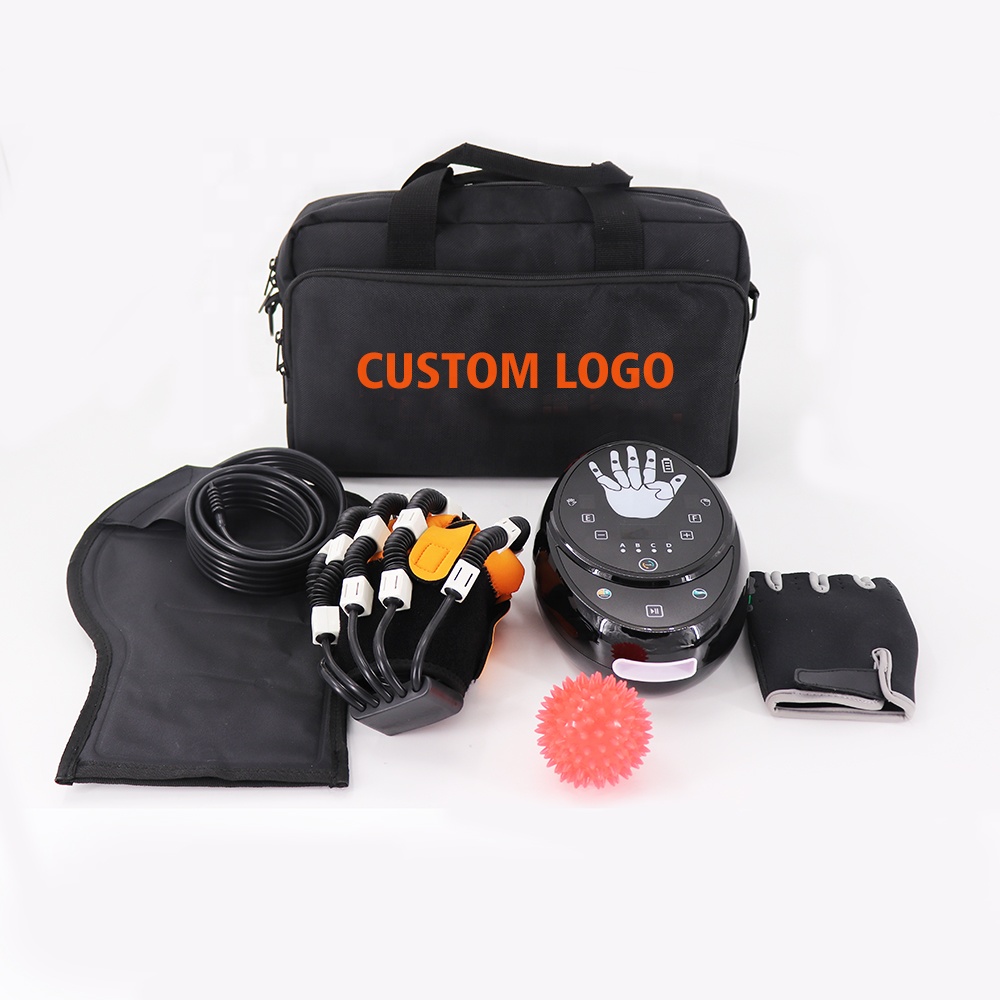
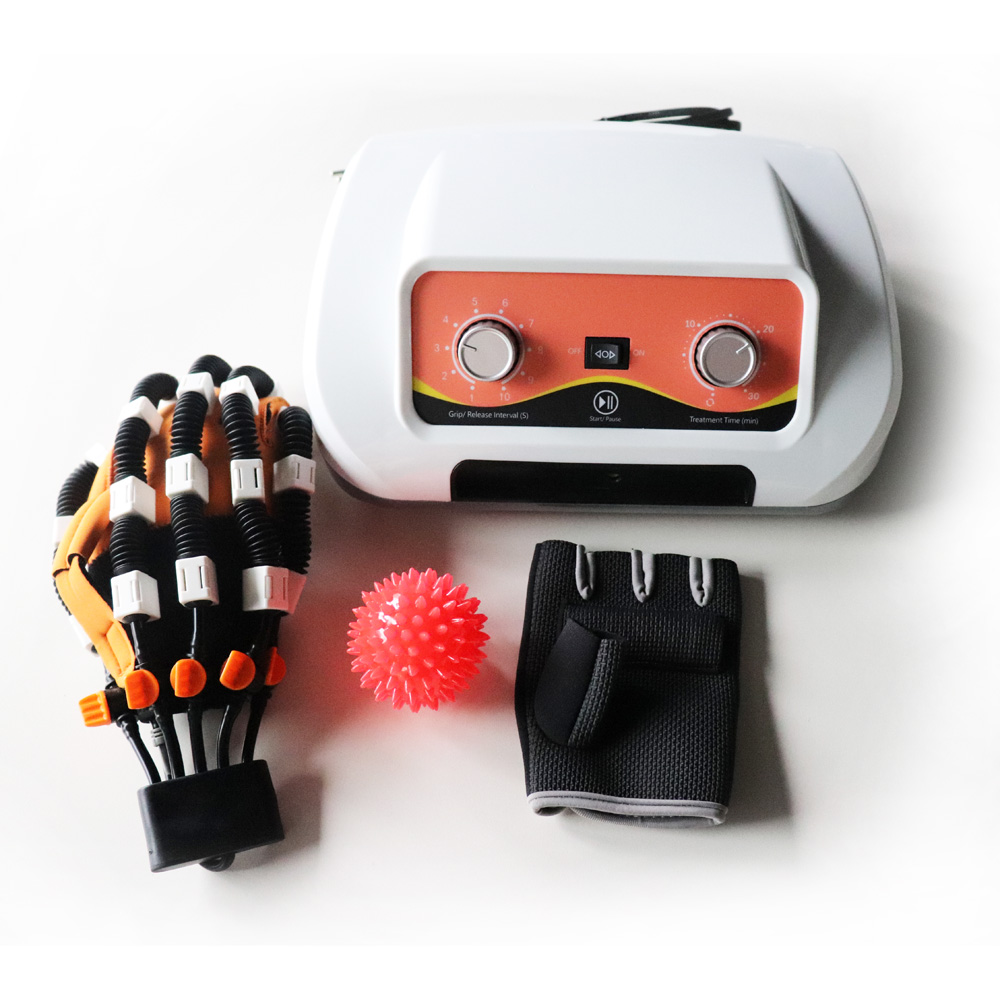
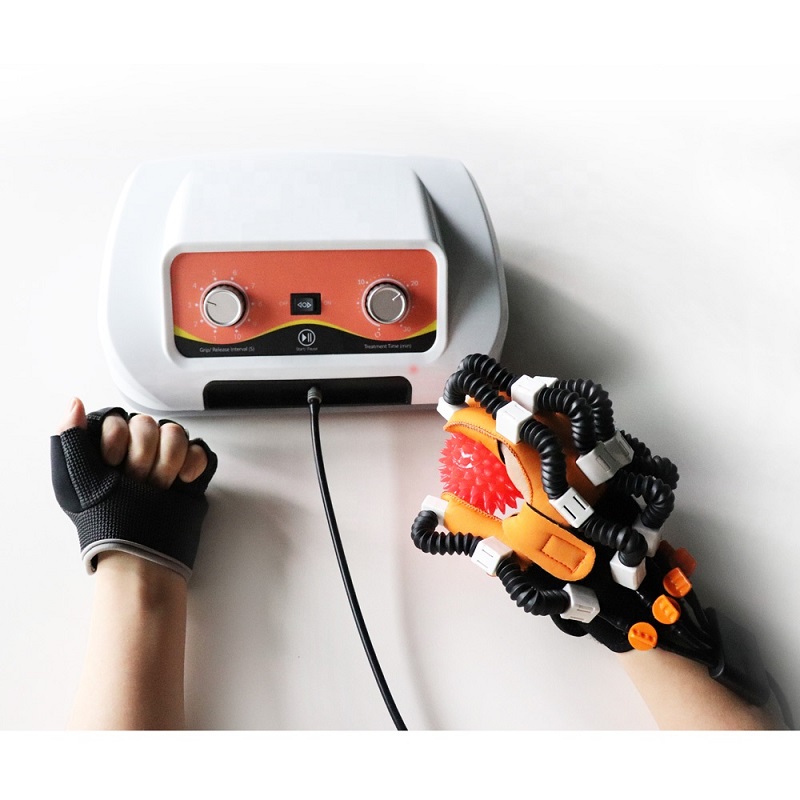
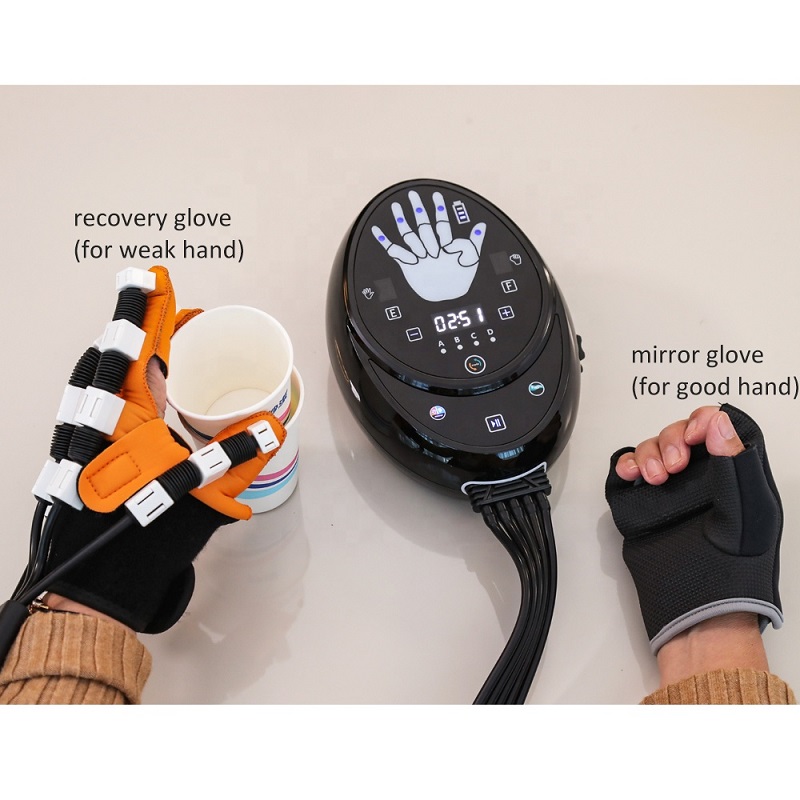
By utilizing soft, pneumatic air tubes embedded along the dorsal (back) side of each finger, hand robot gloves provide powered extension. The machine physically pushes the patient’s fingers open, stretching the stiff flexor tendons and training the brain to recognize the sensation of an open palm. Without the active extension provided by hand robot gloves, patients struggle to perform any meaningful hand function exercises.
When a B2B buyer is evaluating a hand finger rehabilitation robot system for their catalog, they need to know exactly what exercises the hardware supports. High-quality hand robot gloves act as a tireless assistant, guiding the patient through three critical phases of hand function training:
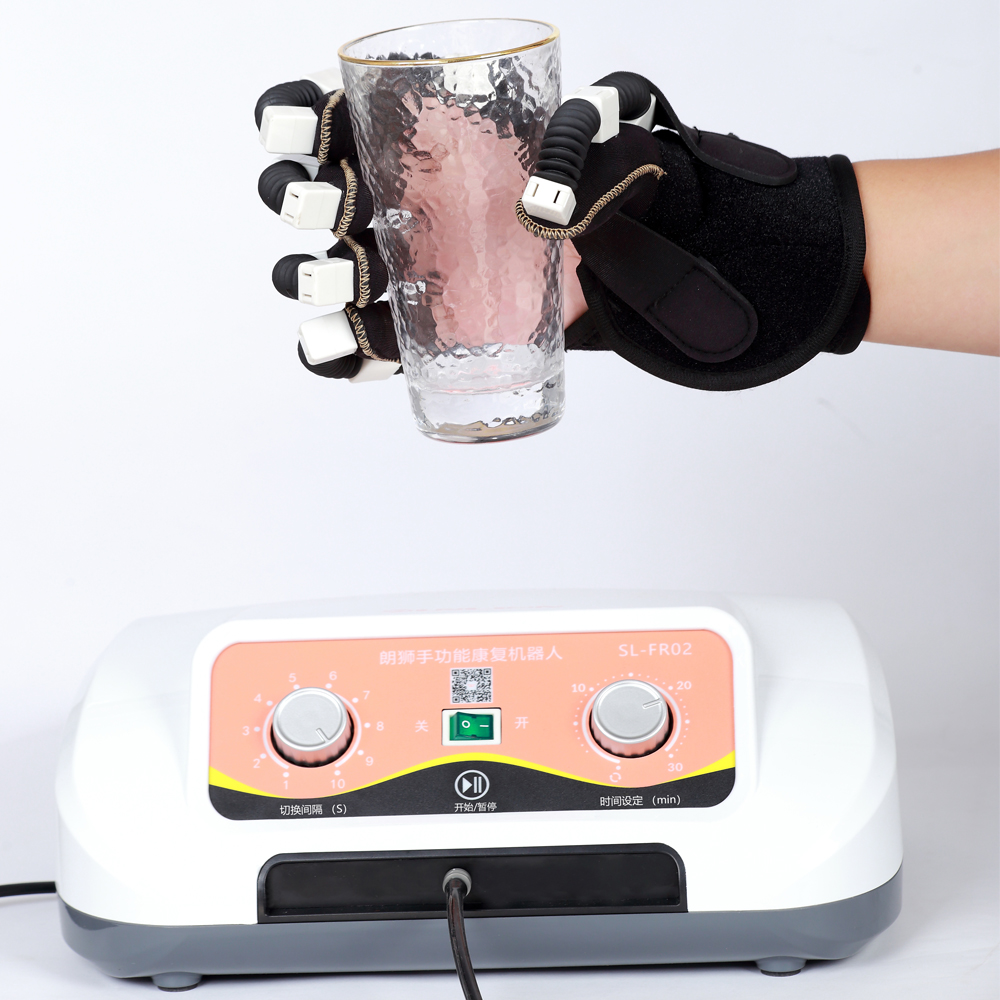
This is the foundational exercise. The therapist places a large object, such as a water bottle or a wooden block, on the table. The hand robot gloves are programmed to slowly open the patient's hand as they approach the object, pause to allow the patient to attempt a grasp, and then actively assist in squeezing the object. Most importantly, the hand robot gloves then force the fingers to extend, releasing the object. This repetitive grasp-and-release cycle is vital for preventing muscle contractures.
As the patient progresses, they must relearn how to use fingers independently. Premium robot gloves for hand training feature individual pneumatic valves for each digit. A therapist can program the hand robot gloves to keep the middle, ring, and pinky fingers closed while only mobilizing the thumb and index finger. This allows the patient to practice picking up a pen, grasping a key, or pinching a small coin—activities of daily living (ADLs) that dictate a patient's independence.
The most neurologically stimulating exercise involves tricking the brain. Using a specialized data glove on the healthy hand, the patient controls the hand robot gloves worn on the paralyzed hand. When the patient flexes their healthy fingers, the robotic glove mirrors the exact movement in real-time. This visual and physical synchrony stimulates the brain's mirror neurons, actively repairing damaged motor pathways.
To highlight the real-world ROI of this equipment, we worked with a distributor supplying a large chain of geriatric care facilities in Europe.
The facilities were struggling with a high volume of stroke survivors who required staff assistance to eat because they could not hold utensils. The distributor introduced our specialized hemiplegia finger rehabilitation trainer robot gloves into the facilities' occupational therapy rooms.
Instead of generic flexing, therapists used the hand robot gloves exclusively for task-specific feeding exercises. They isolated the grip to the thumb, index, and middle fingers, allowing patients to practice holding customized spoons while the machine provided the necessary grip strength. Over a three-month period, the facilities reported that 28% of the participating patients regained enough fine motor control to feed themselves independently. For the facility, this drastically reduced the nursing staff's workload. For the distributor, it resulted in a massive, multi-year supply contract for rehabilitation robot gloves across 40 different locations.
Not all devices are capable of supporting intricate hand exercises. Cheap, consumer-grade gadgets often lack the power to open a severely spastic hand. When your B2B procurement team is sourcing hand robot gloves for clinical use, evaluate the equipment based on function rather than just form.
Here is a brief summary checklist to guide your purchasing decisions:
Exercise Requirement |
Consumer-Grade Device |
Clinical B2B Hand Robot Gloves |
Impact on Therapy |
Active Extension Force |
Weak; struggles against tight fists |
High-pressure pneumatic air tubes |
Crucial for opening the hand and dropping objects. |
Digit Isolation |
Moves the whole hand as one unit |
Independent air valves for each finger |
Necessary for pinch, point, and fine motor ADLs. |
Spasticity Safety |
Rigid motors that can pinch joints |
Soft bionic polymers |
Absorbs sudden muscle spasms safely without injury. |
Rebuilding the human hand is a game of patience, precision, and thousands of repetitions. Manual therapy alone can no longer meet the demands of modern rehabilitation throughput.
By supplying high-quality hand robot gloves, medical distributors empower clinics to move beyond basic joint mobility and focus on true hand function exercises. Whether a patient is learning to hold a cup, button a shirt, or type on a keyboard, clinical-grade hand robot gloves provide the essential biomechanical support they need. Partnering with a seasoned manufacturer ensures you are sourcing durable, sophisticated equipment that actively drives patient independence and solidifies your reputation in the B2B medical supply chain.
 EN